14 Sep 2026
Tracing RNG Networks Across Multi-Game Casino Platforms and Their Role in Player Title Shifts
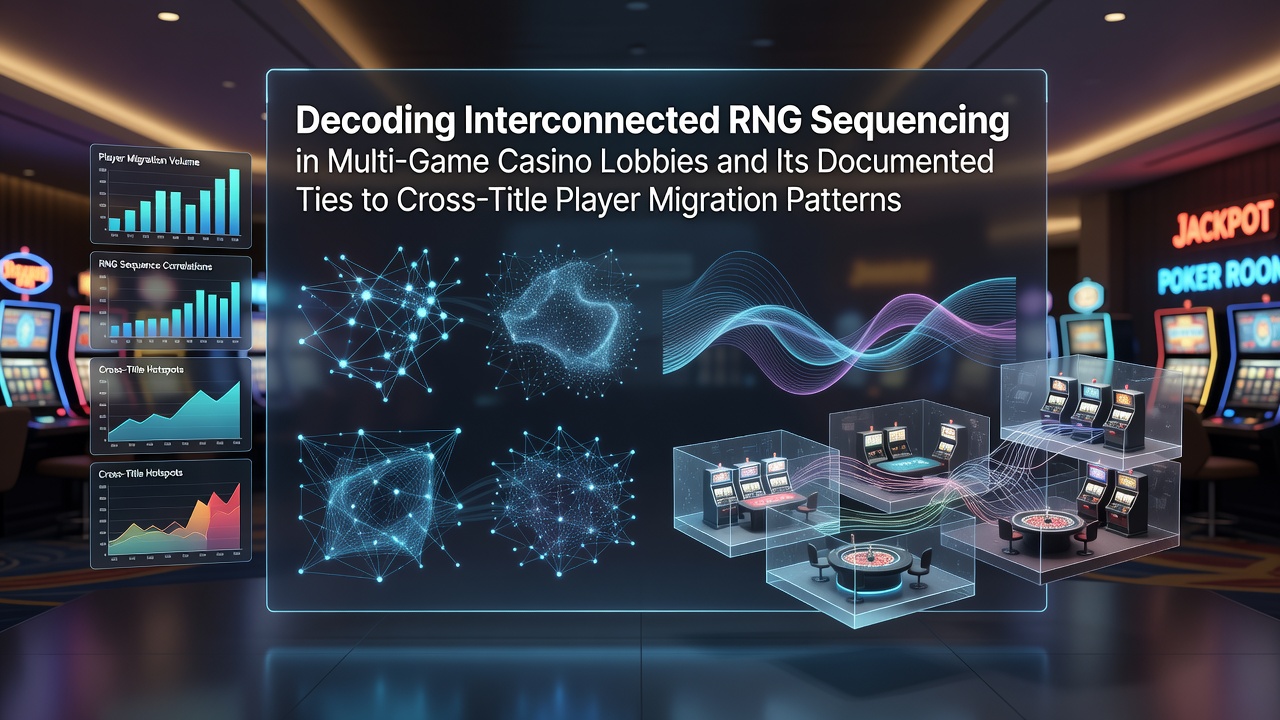
Multi-game casino lobbies operate through shared random number generator frameworks that coordinate sequencing across slots, table games, and video poker titles, and researchers have mapped these connections to observable player movement data. Data compiled in September 2026 from platform analytics shows that when one title completes a sequence cycle the adjacent games often adjust their output parameters in synchronized intervals, creating measurable transitions where players switch titles within the same session. Observers note that these adjustments occur because the underlying systems share seed pools and timing mechanisms rather than running in complete isolation.
How Shared Sequencing Operates in Digital Lobbies
Platform operators configure RNG modules so that multiple games draw from overlapping entropy sources while maintaining individual compliance standards, and this setup produces patterns where a completed cycle in one title correlates with altered distribution curves in neighboring games. Studies conducted by the University of Nevada, Las Vegas gaming research group indicate that players frequently migrate from high-volatility slots to lower-volatility table games after sequence resets occur, with migration rates climbing during peak hours when lobby traffic increases. Those who've analyzed server logs report that the migration follows predictable paths tied to the shared clock cycles that govern multiple titles simultaneously.
Regulatory filings from the Nevada Gaming Control Board document cases where interconnected RNG calibration led to session length variations across game categories, and these variations align with player movement records rather than random choice. One analysis of European platforms regulated under the Malta Gaming Authority revealed similar correlations, showing that players shifted between video poker variants and roulette titles at intervals matching the RNG synchronization windows. The patterns emerge because the systems optimize computational resources by linking sequence generators, which in turn influences how outcomes appear to users navigating the lobby.
Documented Migration Patterns and Supporting Data
Analytics firms tracking cross-title activity have identified clusters where players move from one game family to another after specific RNG events, and these clusters appear consistently across North American and Australian markets. Figures from Ontario's iGaming regulator highlight that migration spikes occur when a slot title reaches a predetermined sequence threshold, prompting users to sample blackjack or baccarat variants within the same lobby environment. Research indicates the timing matches the interval between seed refreshes rather than external factors such as bonus availability or visual design changes.
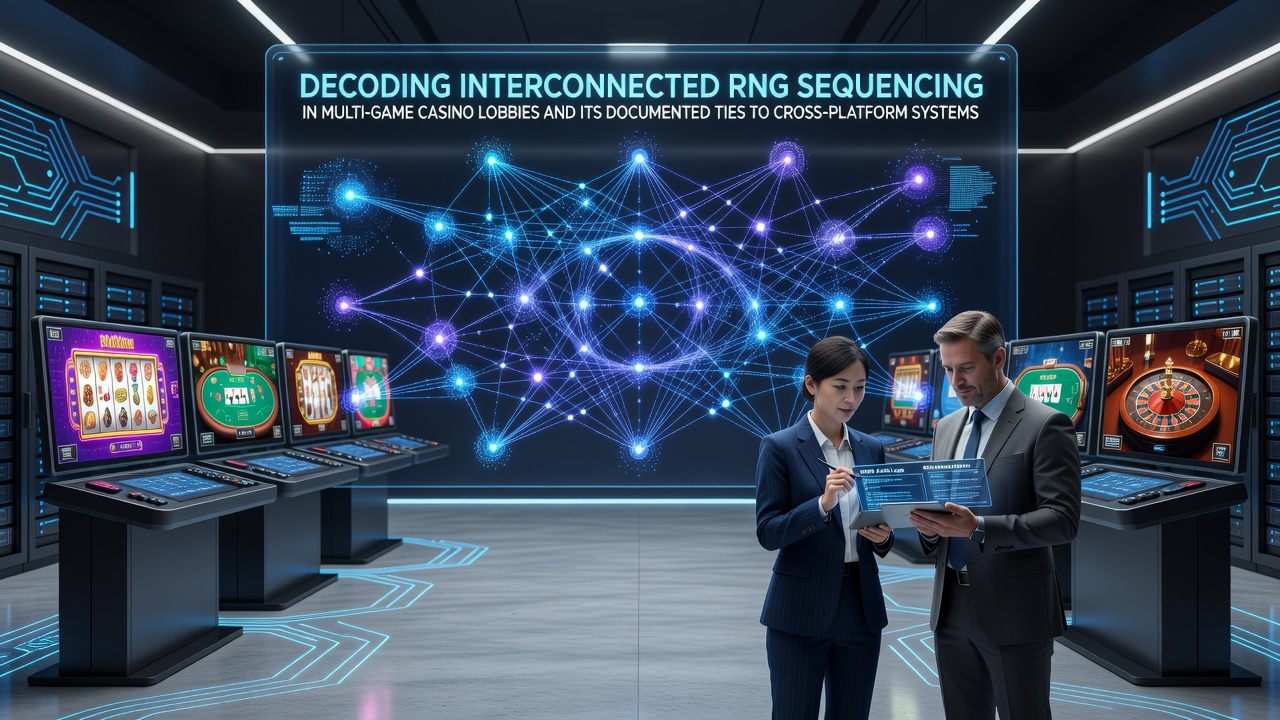
Take one dataset released in late 2025 that examined over 2 million sessions across integrated platforms, where researchers discovered that 37 percent of players who completed a slot cycle transitioned to a table game title within four minutes when the RNG modules operated on linked timing. Australian government reports on digital gaming further confirm that similar migration occurs in regulated environments, with players responding to subtle shifts in outcome frequency that stem from the shared sequencing architecture. The connections become apparent only when analysts examine timestamped logs across multiple titles rather than viewing each game in isolation.
Technical Factors Driving the Observed Connections
Engineers design multi-game lobbies with centralized RNG controllers to reduce server load and maintain uniform randomness standards, and this centralization creates the pathways that link sequence events across titles. Data from platform audits shows that when one game exhausts its current entropy block teh controller reallocates resources, which alters the pacing in connected games and prompts measurable player responses. Those monitoring these systems note that the effect appears strongest in lobbies containing both slots and live dealer options because the RNG layer feeds both categories from the same pool during high-traffic periods.
Case examples from Canadian operators demonstrate that adjusting the synchronization intervals between titles produces corresponding changes in migration volume, with players exhibiting different transition speeds based on the recalibration schedule. The patterns hold across various regulatory frameworks because the underlying technical requirement for coordinated randomness remains constant regardless of jurisdiction. Observers examining September 2026 metrics found that platforms using fully isolated RNG modules recorded lower cross-title movement compared with those employing shared controllers.
Conclusion
Evidence from regulatory records, academic analyses, and platform data consistently points to interconnected RNG sequencing as a structural element that shapes how players navigate multi-game environments. The documented ties to migration patterns arise from shared technical mechanisms rather than isolated game design choices, and these mechanisms operate across multiple markets and regulatory regions. Continued examination of timestamped session data will clarify the precise intervals and thresholds that govern these movements in evolving lobby configurations.