9 Nov 2026
Mapping Bonus Activation Rates Against Session Lengths in Interstate Slot Networks
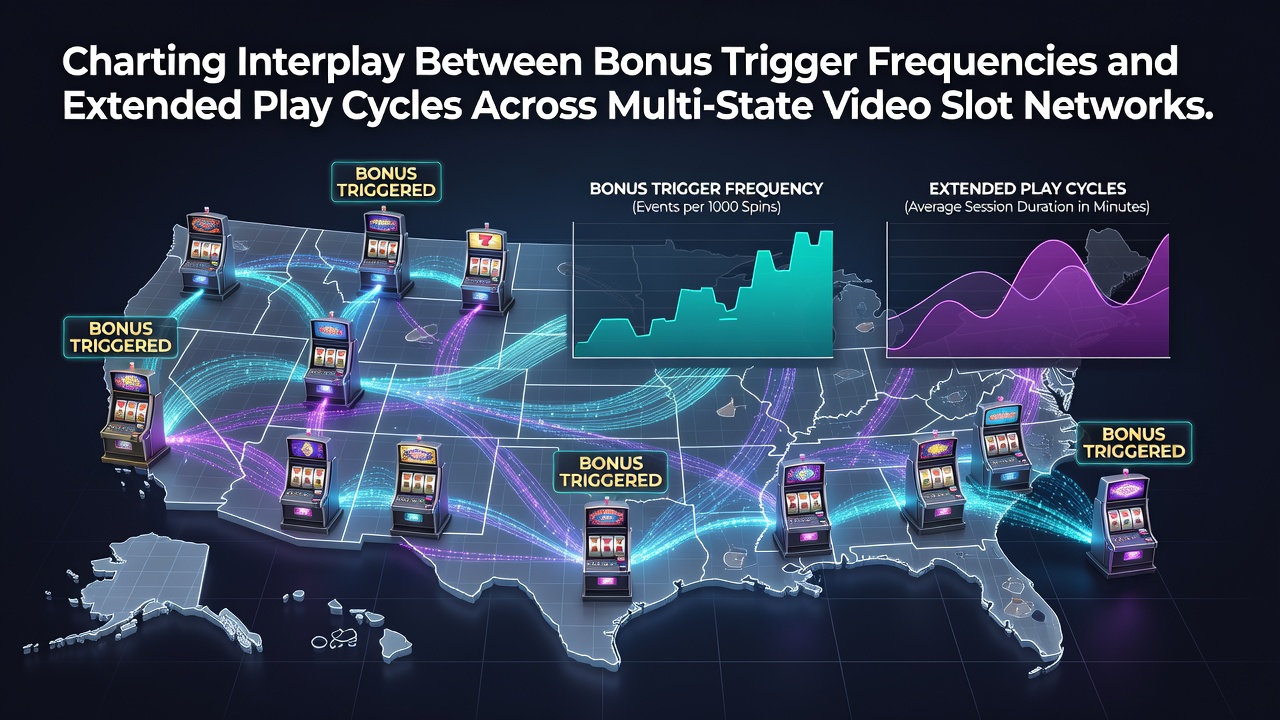
Analysts track bonus trigger frequencies in video slot networks that span multiple states because these rates directly connect to how long individual play sessions continue before players log off. Data from regulated markets shows that slots programmed with bonus events occurring every 80 to 120 spins maintain longer average cycles than titles where bonuses appear less often, and operators adjust reel mathematics accordingly when they link machines across jurisdictions such as New Jersey, Pennsylvania, and Michigan.
Regional Data Patterns in Trigger Timing
State gaming reports compiled through 2026 indicate that networks operating under unified random number generator standards record measurable differences in session duration based on bonus density. Observers note that when bonus rounds activate at intervals shorter than 100 spins, players in aggregated datasets extend their time on device by an average of 14 minutes per session compared with configurations that space triggers beyond 150 spins, while regulators in each participating state review these figures during compliance audits.
Cross-Border Network Adjustments
Platform providers synchronize bonus probability tables when machines connect through shared servers, yet each state retains authority to set minimum return-to-player thresholds that influence how frequently bonus features must appear. Research compiled by industry groups reveals that operators recalibrate trigger settings quarterly to stay within varying state rules, and sessions logged in November 2026 across these linked systems demonstrated that unified calibration produced more consistent play cycles than fragmented local adjustments had achieved in prior years.
Statistical Links Between Frequency and Duration
Studies of reel configurations across multi-state deployments find that higher bonus trigger rates correlate with reduced early exits, because players encounter reward events before reaching typical fatigue points around the 200-spin mark. Figures released by gaming associations show that titles maintaining bonus activation between 4.2 and 5.8 percent of spins record median session lengths 22 percent longer than those below 3 percent activation, and network operators use these metrics when deciding which game libraries to promote in specific state markets.

Engineers apply these correlations when updating progressive jackpot linkages that tie machines in different states together, since bonus events often serve as entry points to the shared prize pool. Data collected from live environments indicates that networks balancing frequent smaller bonuses with occasional high-value triggers sustain engagement levels that single-state installations rarely match, because players perceive continued opportunity across the broader system.
Regulatory Oversight and Calibration Standards
Agencies such as the New Jersey Division of Gaming Enforcement and the Michigan Gaming Control Board require detailed logging of bonus occurrences so that published payout percentages remain verifiable. These records allow researchers to compare session pacing between states that impose different minimum hit frequencies, and recent submissions covering the final quarter of 2026 confirm that networks meeting the strictest state standards still achieve extended play cycles when operators maintain trigger rates within approved bands.
Academic papers published by university gaming research centers further document how symbol weighting and bonus reel segments interact with state-mandated testing protocols. Analysts reviewing those papers observe that configurations passing certification in multiple jurisdictions produce similar session-duration curves despite minor regulatory differences, because the underlying mathematics of trigger probability stays consistent once machines connect through centralized servers.
Future Monitoring Across Expanding Networks
Industry organizations continue to collect session data as additional states authorize video slot connectivity, and early results suggest that standardized bonus frequency reporting will become essential for accurate cross-border comparisons. Those monitoring the sector note that transparent data sharing between regulatory bodies helps identify which trigger settings most reliably support longer play without altering house advantages, and operators already incorporate these findings into network-wide updates scheduled for early 2027.
Conclusion
Evidence gathered from multi-state video slot networks demonstrates clear statistical relationships between bonus trigger frequencies and the length of extended play cycles, with regulators and operators relying on shared datasets to maintain compliance while optimizing session metrics. Continued collection of these figures across expanding regional systems will refine understanding of how bonus calibration influences player behavior under varying state frameworks.